From major interstates to key U.S. highways, Florida’s road network carries millions of drivers every year. But some stretches of pavement see disproportionately high numbers of fatal crashes, making driver awareness and safety a top priority for Southwest Florida commuters and visitors alike.
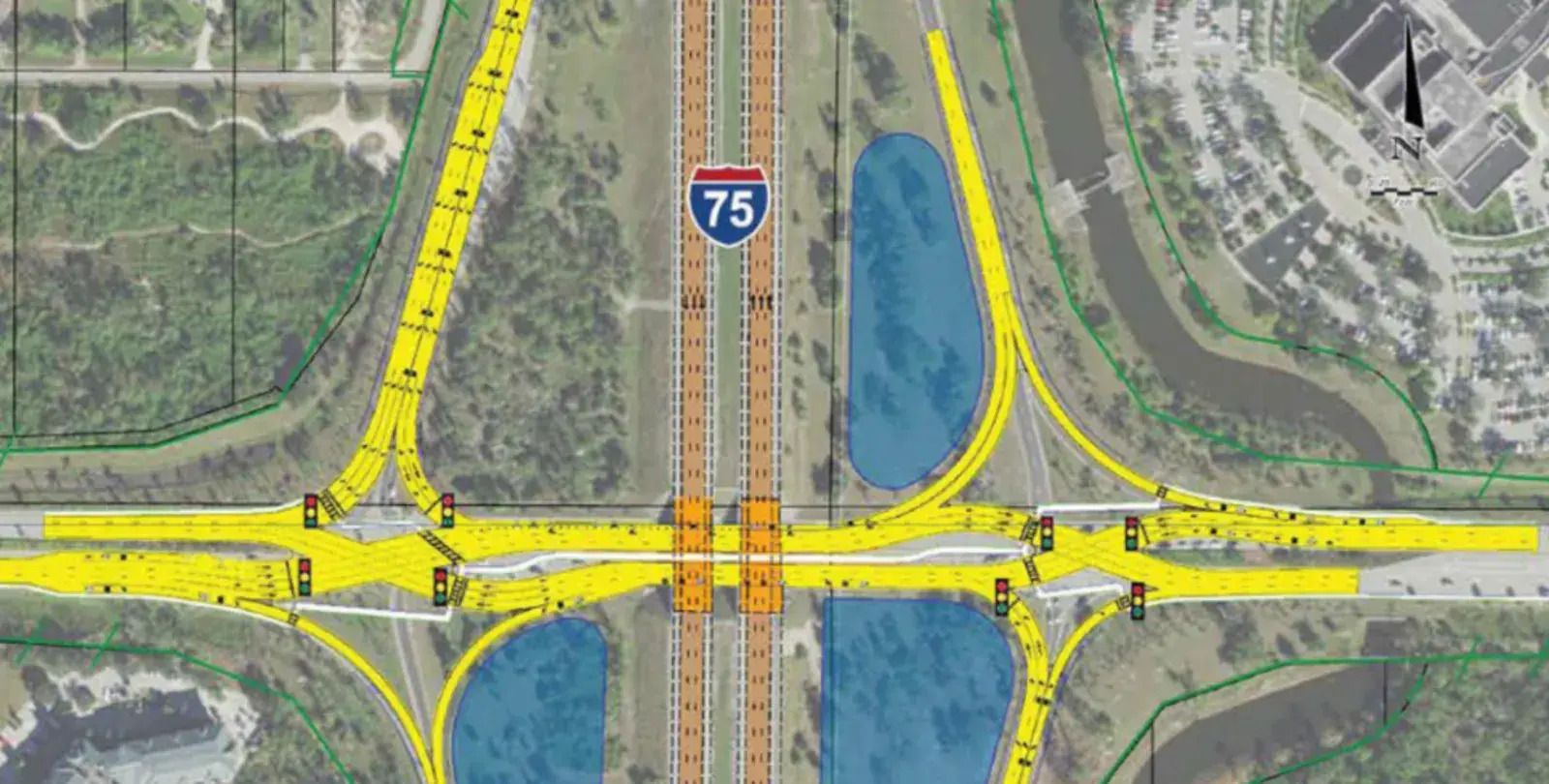
According to historical Florida Department of Transportation and Highway Patrol crash data, some corridors consistently show high numbers of serious and deadly crashes. Interstate 75, which slices north–south through Collier County and connects Southwest Florida with central and northern parts of the state, has been identified as one of the most lethal routes in the region. Between 2018 and 2022, I-75 in Collier County accounted for more than 20% of the county’s fatal crashes, with deadly collisions concentrated around interchanges like Pine Ridge Road and Immokalee Road. These junctions have seen multiple fatalities over the years as vehicles navigate merging traffic and high-speed conditions.
Beyond I-75, U.S. Highway 41 — the historic Tamiami Trail — also stands out for its safety challenges across Florida. Statewide analyses have placed portions of U.S. 41 among the most dangerous stretches of road in the country, with hundreds of fatal crashes reported over the last decade, resulting in significant loss of life.
Statewide, Interstate 95 and Interstate 4 rank among the highways with the highest overall crash and fatality counts. I-95 — running the length of Florida’s Atlantic coast — sees heavy commuter and freight traffic, contributing to serious collisions and deaths, and has been referenced in nationwide safety discussions as one of the deadlier interstate corridors. I-4, which links Tampa, Orlando, and Daytona Beach, has been historically identified in national crash data as a high-fatality stretch, especially per mile traveled.
Local Hotspots: Collier & Naples Danger Zones
Within the Naples area, intersections and specific road segments often show the highest frequencies of serious crashes:
-
I-75/Pine Ridge Road — One of the deadliest intersections locally, with multiple fatal crashes recorded near the ramps and merging lanes.
-
I-75/Immokalee Road — Another high-risk interchange, where collisions have led to multiple deaths and are frequently linked to driver distraction.
-
U.S. 41 corridors — Portions of this classic west coast route through Naples and Lee County have seen both frequent accidents and a significant share of serious and fatal crashes.
-
State Road 82 and rural connectors — These mid-county roads have also been sites of deadly crashes, including multi-vehicle incidents that claimed lives near Corkscrew Road and outlying Collier County.
Why These Roads Are Risky
Multiple factors contribute to the danger on these highways and routes:
-
Heavy traffic volumes and merging patterns on major interstates can lead to high-speed collisions.
-
Tourist and unfamiliar drivers — Florida’s seasonal population increases can amplify risk, especially on corridors like I-75 and U.S. 41 that feed popular destinations.
-
Distracted and aggressive driving remain leading contributors to serious crashes, particularly at interchanges and during peak travel times.
-
Highway design elements, from complex merge lanes to changing speed limits, can catch even experienced drivers off-guard.
Safety and Awareness Tips
For Southwest Florida residents and visitors who use these routes frequently:
-
Allow extra travel time to avoid speeding or aggressive lane changes.
-
Stay alert to traffic flow and changing weather conditions, both of which can increase crash risk.
-
Approach known danger zones, such as major interchanges and highway junctions, with heightened caution.
While all Florida roads carry some level of risk, understanding which stretches have historically seen more fatal crashes can help drivers make safer decisions behind the wheel — especially on long interstate trips or daily commutes.