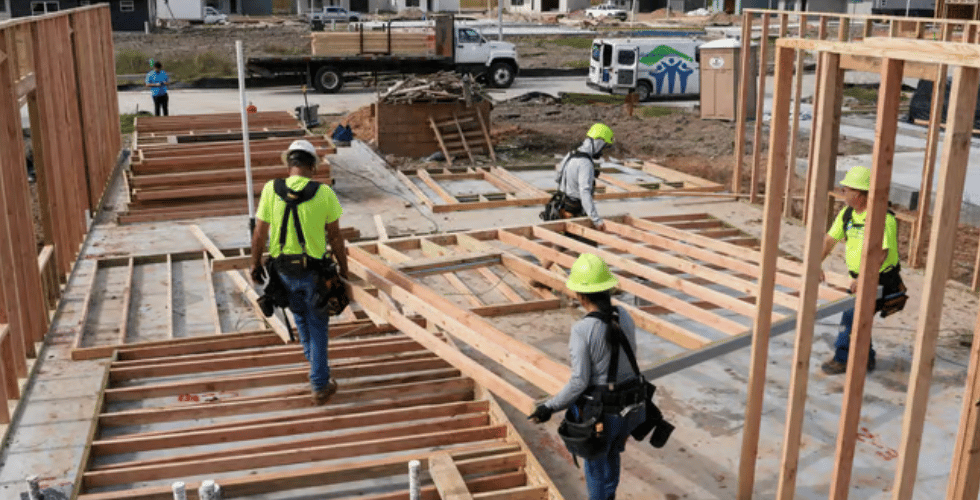
The national surge in tariffs on imported building materials is hitting home in Southwest Florida. As developers and contractors grapple with elevated costs, the ripple effects will likely touch everything from new-home pricing to remodels after storm damage.
What’s Driving the Spike
According to industry trade-groups, materials imported for residential construction—roughly 7 % of the total by value—are increasingly subject to tariffs, driving up costs for builders and consumers.
-
One data set forecasts that tariffs could raise the cost of building a typical U.S. single-family home by up to $7,500–$10,000.
-
Projects reliant on imported steel, aluminum, or specialty lumber are already seeing double-digit cost increases or longer lead times.
Local-Market Implications for Southwest Florida & Collier County
For Naples, Marco Island and the wider Collier County region—where new residential development, luxury builds and hurricane-repair workflows remain robust—the timing is far from ideal. Consider:
-
New builds: Higher input costs will squeeze developer margins or get passed on to buyers, potentially raising list prices in a sensitive market.
-
Remodels / storm recovery: Post-storm repair jobs already face labor and permit pressures; added material cost hikes could slow turnaround times or reduce scope.
-
Luxury market focus: Even high-end builds may need to adjust finish packages or source more domestically to offset tariff-driven increases.
-
Affordability pain-point: While the Naples market is elevated, ripple effects from cost increases still matter to mid-tier buyers, spec builders and investors who track cost per square foot.
What Builders & Buyers Should Watch
-
Contract escalation clauses: Builders should consider including language in contracts that addresses material-cost surges tied to tariff or supply-chain shifts.
-
Lead-time risk: Imported materials may face longer delivery windows. Early procurement or alternate sourcing (domestic or different countries) may mitigate delay risk.
-
Domestic alternatives: Where feasible, switching to locally-manufactured materials may avoid some tariff impact—but may still carry higher base cost or require longer ramps.
-
Project budgets: Buyers, remodelers and agents should anticipate material budget line items increasing by a non-trivial amount (industry data suggests several thousand dollars per unit).
-
Market messaging: Real-estate marketers and brokers in the area should prepare for narrative shifts: “quality materials cost more” and “timeline may be impacted” are now legitimate talking points when addressing clients.
Bottom Line
Tariff-driven cost pressures in building materials are not a flash-in-the-pan—they represent a structural headwind for the construction ecosystem in Southwest Florida. For your audience at Naples News Now—which includes builders, contractors, real-estate agents and homeowners—this means higher costs, possible delays and a need to plan proactively.