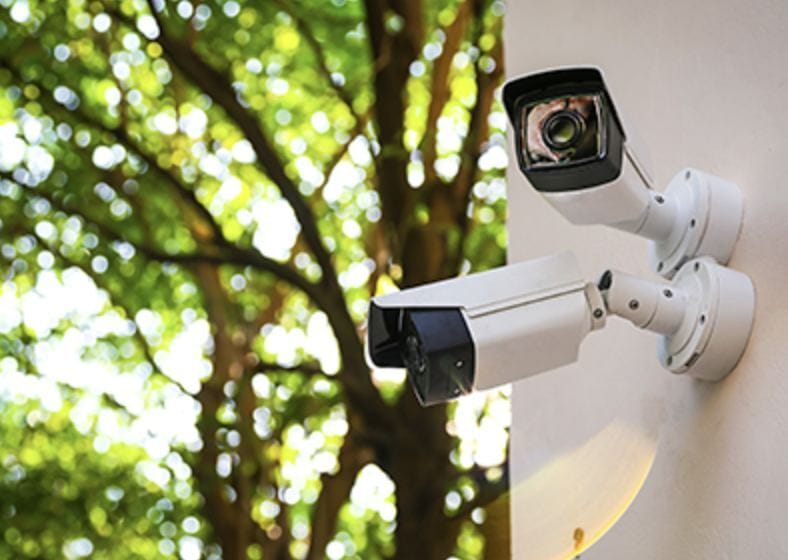
As doorbell cameras and backyard security systems become standard across Florida neighborhoods, a new state law is clearing up a growing source of tension: how far homeowners can go when their cameras capture a neighbor’s property.
The update, which took effect this month, doesn’t ban security cameras — but it does draw clearer legal lines around privacy, particularly when cameras are aimed beyond a homeowner’s own property.
What Homeowners Are Allowed to Record
Under Florida law, residents are permitted to install and use outdoor security cameras on their own property, including:
-
Front yards and driveways
-
Backyards and side yards
-
Porches, entryways, and garages
-
Public-facing areas like sidewalks or streets
These areas are generally considered places where people do not have a reasonable expectation of privacy. Recording video in these spaces is legal, even if neighbors or passersby appear incidentally in the footage.
Where Cameras Can Cross the Line
The legal issue arises when cameras are intentionally aimed into private areas of a neighboring property.
Florida law prohibits recording people in places where they have a reasonable expectation of privacy, which can include:
-
Inside a neighbor’s home
-
Bedroom or bathroom windows
-
Fully enclosed or fenced backyards
-
Other clearly private living spaces
Even if a camera is mounted entirely on your own property, deliberately capturing private areas next door can trigger legal consequences under Florida’s privacy and video voyeurism statutes.
Audio Recording Is a Bigger Risk
One key point many homeowners overlook: audio recording.
Florida is an all-party consent state, meaning everyone being recorded must consent to audio capture. If a security camera records sound — and picks up private conversations — that can create separate legal exposure, even if video recording alone would be allowed.
For this reason, many legal experts recommend disabling audio recording on home security systems unless absolutely necessary.
What This Means for Naples-Area Neighborhoods
In places like Naples, where homes are often close together and HOA communities are common, this clarification matters.
Disputes over camera placement are increasingly showing up in:
-
HOA complaints
-
Neighbor-to-neighbor disputes
-
Civil legal actions
The law reinforces that security cameras are meant for protection, not surveillance of neighbors.
Best Practices to Stay Compliant
Homeowners can reduce risk by following a few simple rules:
-
Aim cameras inward toward your own property, not outward toward neighboring homes
-
Avoid zoom features that capture private spaces next door
-
Disable audio recording unless legally necessary
-
Use visible signage indicating video surveillance
-
Adjust camera angles if a neighbor raises a reasonable concern
Taking these steps can help prevent legal trouble — and preserve neighborly relationships.
Bottom Line
Florida isn’t banning home security cameras, but it is drawing firmer boundaries around privacy. Recording your own property and public areas remains legal, but deliberately capturing a neighbor’s private space can cross into unlawful territory.
As security technology becomes more powerful and more common, the message from state lawmakers is clear: protect your home — but respect your neighbor’s privacy.