A New Community Takes Shape in Eastern Collier
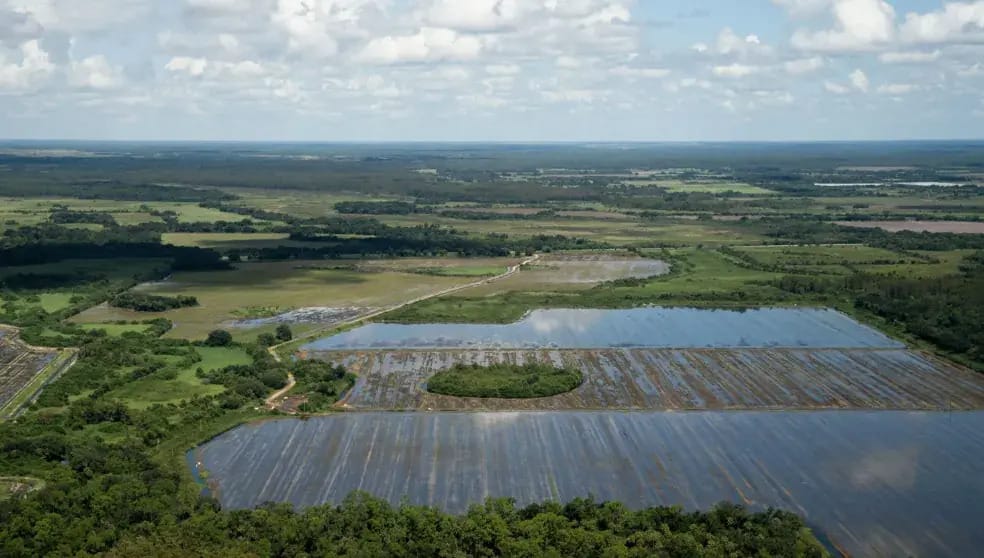
One of the largest new rural developments in recent years is officially moving forward. Collier County commissioners have approved Horse Trials Village, a 1,218-acre master-planned community along Oil Well Road and State Road 29. The project is authorized for up to 3,205 homes—a major expansion of residential capacity in the county’s eastern growth corridor.
The village is part of the Rural Lands Stewardship Area (RLSA) framework, which directs development into compact communities while preserving large tracts of land elsewhere. Horse Trials joins other RLSA villages such as Rivergrass, Bellmar, and Longwater, reinforcing the county’s broader push to organize growth rather than let it sprawl mile by mile.
A Blueprint for a Self-Contained Rural Hub
Horse Trials isn’t simply a collection of rooftops. Plans include a diverse mix of housing types, nearly 170,000 square feet of commercial space, indoor storage facilities, and designated civic areas that could support services like community centers or public facilities.
A standout component: roughly 305 affordable housing units embedded into the plan. In a county where affordability challenges remain a constant headline, this allocation represents meaningful structural relief—if successfully executed.
By blending homes with neighborhood-scale commercial offerings, Horse Trials is designed to function as a cohesive village rather than a distant bedroom community requiring long commutes to the coast.
Why This Slice of Collier County Is in High Demand
Eastern Collier has quietly become the center of gravity for long-term growth. The region offers large, undeveloped parcels, allowing the county to steer development into purpose-built villages instead of patchwork subdivisions.
The RLSA framework is the backdrop: developers earn stewardship credits by preserving environmentally sensitive lands, then use those credits to build villages like Horse Trials in designated zones. This approach aims to protect habitats, reduce sprawl, and make future infrastructure expansion more predictable.
For county planners, Horse Trials fits neatly into that equation—large enough to matter, structured enough to manage, and positioned where roads, utilities, and future services can be scaled.
The Real Questions Locals Will Be Asking
While the approval clears a major hurdle, several practical questions will shape how Horse Trials unfolds:
-
Can infrastructure keep pace? Road capacity, water management, utilities, and public safety services must expand alongside population growth.
-
Will commercial amenities arrive early or late? Residents benefit most when services launch before or alongside the first homes—not years later.
-
How will traffic ripple westward? Oil Well Road and SR 29 are already under pressure; thousands of new residents will intensify that.
-
Does the affordable-housing piece get delivered as promised? A recurring concern with large developments is that affordability commitments slide as timelines shift.
What This Signals for the Future of Collier County
If built as envisioned, Horse Trials could become a blueprint for sustainable rural growth—dense village cores, preserved open space, and new housing options for a county that continues to grow faster than state averages. It also expands the economic ecosystem east of Naples, offering new opportunities for retail, services, trades, and future employers.
Whether you live in Naples, Ave Maria, or Golden Gate Estates, this approval marks a turning point in how and where Collier County plans to grow over the next decade.