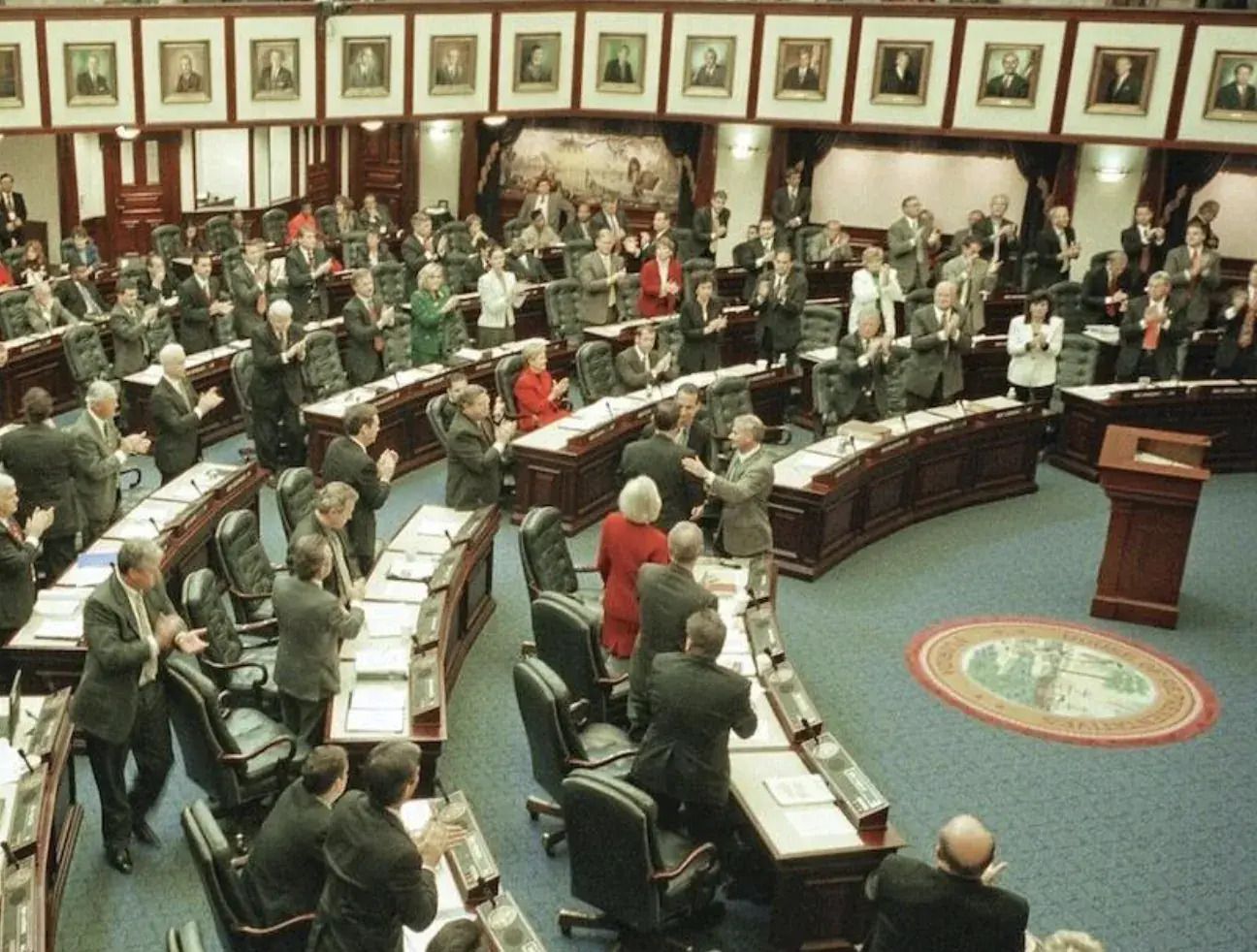
The employment landscape in Florida is undergoing a dramatic transformation, driven by a series of legislative actions and court decisions aimed at balancing employer flexibility with employee protections. While some landmark changes took effect in the latter half of 2025, state legislators are already preparing a new list of bills for the 2026 session that promise further shake-ups, particularly in areas like minimum wage and worker status.
Major Changes to Wages and Local Control
One of the most immediate impacts on businesses is the continued mandated increase in the state minimum wage. On September 30, 2025, the state minimum wage rate will rise to $14 per hour for non-tipped employees and $10.98 per hour for tipped employees, following a constitutional amendment approved by voters.
Simultaneously, the Legislature has moved to centralize authority over employment regulations, effectively preempting local governments from setting their own rules. This legislation prohibits political subdivisions—such as municipalities and counties—from enacting or maintaining local ordinances that mandate a minimum wage higher than the state or federal rate, or that impose their own heat exposure and safety requirements on private employers. This step streamlines compliance but removes the ability for local authorities to address specific regional cost-of-living or occupational safety concerns.
The CHOICE Act Bolsters Non-Compete Enforcement
In a win for employers seeking to protect proprietary information and client relationships, the new Contracts Honoring Opportunity, Investment, Confidentiality, and Economic Growth (CHOICE) Act took effect in July 2025. This law significantly strengthens the enforcement of restrictive covenants:
-
Extended Duration: Non-compete agreements can now be enforced for up to four years, an extension from the previous two-year limit, and do not require a geographical restriction for certain high-level or high-compensated employees.
-
Automatic Injunctions: The law mandates that courts must automatically issue a preliminary injunction upon a breach by a covered employee, making it easier for companies to stop a former worker from immediately joining a competitor.
-
Targeting Third Parties: The law extends enforcement to new employers or third parties who knowingly employ a covered employee in violation of a covenant.
The CHOICE Act also created a framework for "garden leave" agreements, which allow employers to pay an employee their salary and benefits during a post-employment period when they are restricted from working for a competitor, a term that can also last up to four years.
Enhancements to Workers’ Compensation
Improvements were also enacted within the state’s workers’ compensation system. In early 2025, the reimbursement rates for medical providers treating workers' compensation patients were markedly increased. This change was designed to incentivize more healthcare providers to accept these cases, improving the quality and access to care for injured Floridians. Additionally, state law now explicitly requires that all employers provide injured employees with all medically necessary treatment, care, and assistance throughout their recovery, including ancillary costs like transportation and prescriptions.
What’s Next: Bills for the 2026 Session
Looking ahead, the 2026 legislative session, which begins in January, includes several key proposals aimed at further refining labor law:
-
Minimum Wage Flexibility: Bills are being considered that would allow small businesses to opt out of the state-mandated minimum wage for younger or less-experienced employees, potentially deferring to the lower federal minimum wage for those workers.
-
Future Legislation: Other proposed bills seek to address complex issues, including employment protections for medical marijuana patients and tighter restrictions regarding the employment of undocumented workers, suggesting the state's employment statutes will continue to evolve rapidly.