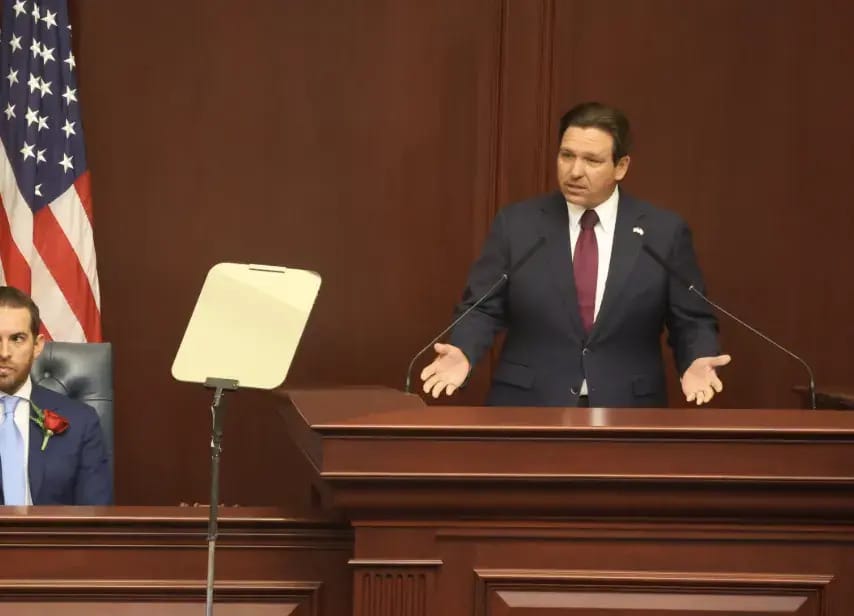
Florida’s 2026 legislative session has opened with Republican lawmakers intensifying efforts to curb diversity, equity and inclusion (DEI) policies in government, education and local institutions — a continuation of culture-war-focused policy making that has defined recent years in Tallahassee.
Over the first weeks of the session, a series of bills have been introduced that would significantly limit or eliminate DEI initiatives at multiple levels of public life. These proposals reflect a broader strategy by the Republican majority in both chambers to reshape how state and local governments approach diversity programming, including potential legal and funding consequences for municipalities and agencies that maintain such policies.
DEI Restrictions on Local Government
Among the most consequential proposals this session are Senate Bill 1134 and House Bill 1001, filed by Republican lawmakers. If enacted, these measures would prohibit counties and municipalities from funding, promoting, or officially supporting diversity, equity and inclusion initiatives. They would also require contractors and grant recipients to certify that they do not engage in DEI activities, effectively putting local governments on notice that such programming could jeopardize funding or invite litigation.
Expansion of Previous Anti-DEI Laws
These 2026 proposals build on earlier state actions. Since 2022, Florida has passed laws like the Stop WOKE Act and the Parental Rights in Education Act — sometimes dubbed the “Don’t Say Gay” law — that restricted how schools and public entities can discuss gender identity, race, and systemic bias. Some of these laws have faced court challenges, especially around workplace and higher-education provisions.
Beyond limiting DEI programs themselves, lawmakers have targeted related areas including educational curriculum and workplace training, arguing that such initiatives prioritize identity politics over merit-based opportunities. Allies of the bills, including youth Republican groups, frame their support around the idea that government and education should focus on merit and individual achievement rather than group identities.
Broader Legislative Context
The anti-DEI push comes amid a session filled with high-profile culture and policy fights. Lawmakers are also engaging on issues like property tax reform, redistricting, education policy, and gun law changes, reflecting a politically charged environment that extends far beyond traditional governing priorities.
Republicans hold a strong majority in both the Florida House and Senate, giving leadership significant leverage to move bills quickly. However, internal dynamics among GOP leaders and differing priorities between the House and Senate could shape how assertively these measures advance.
What This Means for Florida
For communities across Southwest Florida, these legislative moves could affect:
-
Local governments’ ability to shape hiring and community programs that reflect diverse populations
-
University and school district policies on inclusivity and campus programming
-
Funding and contracting standards for companies and nonprofits that incorporate DEI into their workplace structures
Critics argue these bills amount to state overreach that chills local control and undermines efforts to make government and education more inclusive and equitable.
Supporters say restrictive DEI laws are necessary to ensure that public policy and taxpayer dollars aren’t used for what they describe as divisive or discriminatory practices.
Next Steps
The 60-day session continues through March, and lawmakers will need to navigate committee hearings, floor votes, and potential negotiations before any bill becomes law. Local leaders and residents concerned about these proposals should stay informed as the legislature votes on key measures that could reshape how diversity-related policies are handled statewide.