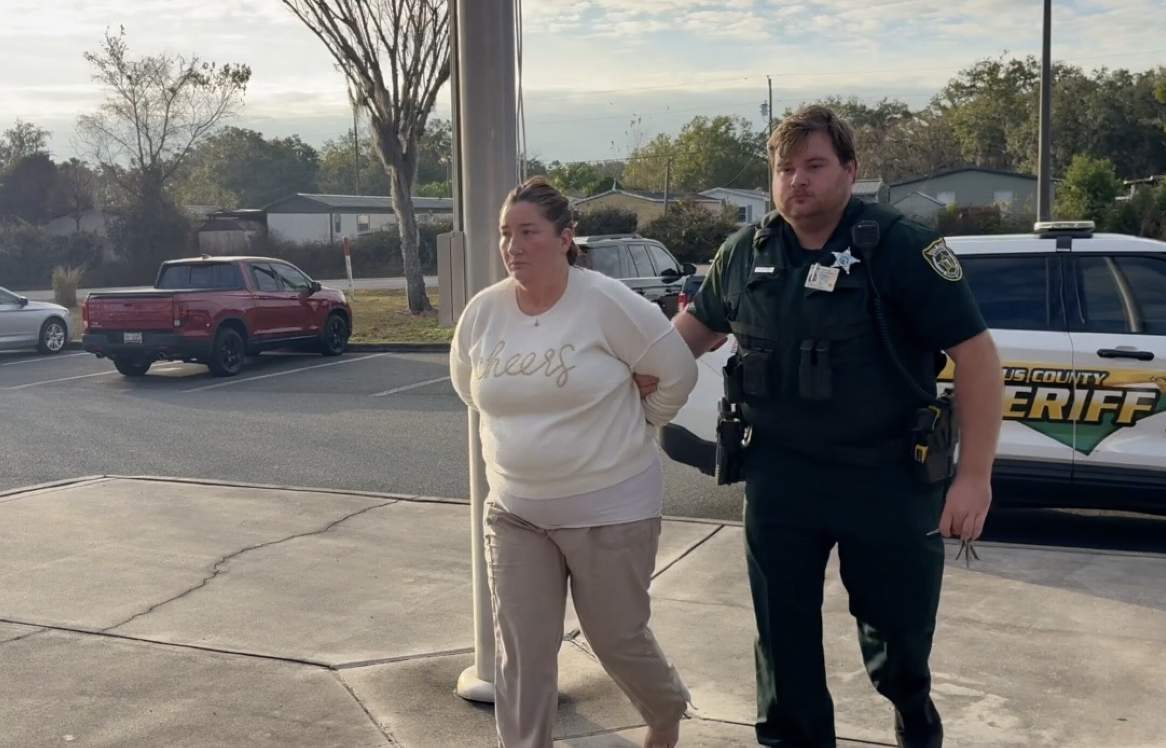
A crime that haunted Naples for more than a decade finally has answers. What began as a baffling homicide at a gated condo complex in 2012 was cracked this week through modern DNA investigative tools, proving once again that science can outlast time itself.
Back in late July 2012, 48-year-old Joseph Godcharles was found stabbed to death inside his Key Royal Villas condominium on Key Royal Circle. Deputies were puzzled: there was no sign of forced entry, which suggested this was someone Godcharles knew.
For years, that question mark hung in the air, until advanced genetic analysis finally pointed law enforcement in a decisive direction.
When Forensics Meets Patience
Using cutting-edge DNA technology that wasn’t available back in 2012, detectives reopened evidence from the Godcharles murder and identified a suspect: 53-year-old Julie Krinsky.
Krinsky, now living in Beverly Hills, Florida, was taken into custody Thursday morning as she left her home for work as a registered nurse at Florida Cancer Specialists.
Rather than key witnesses or conventional leads from the original investigation, it was progress in forensic genetics that eventually yielded the breakthrough. Detectives revisited old evidence, leveraged modern testing, and matched DNA to Krinsky; a leap forensic science lovers will note echoes other cold case successes nationwide.
Old Case, New Justice
Although charges are currently second-degree murder, prosecutors are preparing to formally present the case in Collier County once Krinsky is extradited from Citrus County, where she is being held.
Godcharles’ family, who reported the condo was found unlocked the morning after he last swiped his entry card, has waited more than a decade for this moment. Deputies described the case as “deeply personal,” a nod to the fact that Godcharles and Krinsky were once longtime friends and had a romantic relationship.
Still Questions, But Closure Begins
Sheriff Kevin Rambosk emphasized that investigators never shelved the case, continually revisiting it as technology and capabilities evolved.
Though the motive has not been publicly disclosed, the arrest marks a turning point, not only in this investigation but in the broader fight against unsolved violent crime in Southwest Florida.
A Message for Other Cold Cases
This breakthrough comes at a time when law enforcement agencies increasingly rely on DNA advancements to revisit cold evidence, even decades-old. Similar success stories across the U.S. have shown how forensic genealogy and enhanced DNA matching can breathe new life into stalled cases, closing chapters once thought frozen.
For local families still waiting for answers on other unsolved crimes, this serves as a reminder: justice can arrive long after a case goes cold.