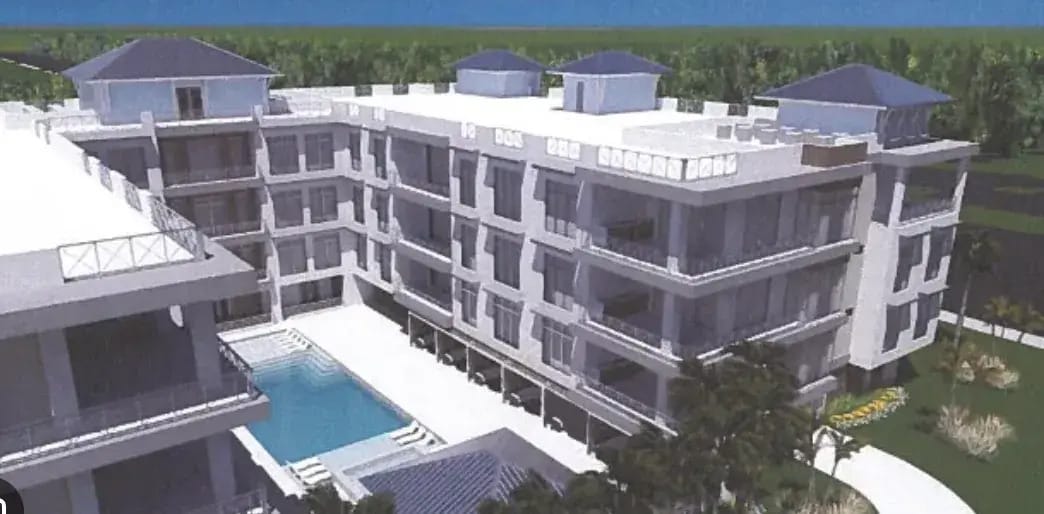
In North Naples, a proposed luxury-condominium development is on hold until December after Collier County Board of County Commissioners voted to continue the public hearing on the project, citing the need for further local engagement.
The project in question calls for a multi-storey building containing 28 upscale units on the west side of U.S. 41 — a location currently zoned for commercial use. The developer must secure a land-use amendment and rezoning to proceed.
Community members voiced concern that the proposed density and scale could alter the character of the surrounding neighborhood. Several residents requested a reduction in units and height to align more closely with existing context.
County commissioners agreed to the continuance at a meeting held on October 28, giving the developer and local land-use attorney time to meet with neighbors and explain options. The hearing is now scheduled for December 9.
Why this matters
-
For developers and real-estate professionals in the Naples market, this case underscores the growing importance of community engagement, especially under the state’s Live Local Act, which limits local governments’ ability to reject residential development outright.
-
The delay signals that, even where residential zoning expansion is possible, the bargaining power with neighbors and commissioners remains real and may lead to concessions on unit count, height or design.
-
From a marketing angle, any new luxury condo offering in this corridor will face scrutiny of density and neighborhood fit — a narrative that should be managed proactively with transparent stakeholder outreach.
What to watch
-
Whether the developer proposed changes after the October continuance; for example, a reduction in total units or floors.
-
Any amendments to the zoning request or land-use plan submitted prior to the December session.
-
The final outcome of the December hearing and any conditions placed on approval (e.g., buffer landscaping, traffic mitigation, affordable-housing contribution).
-
The impact on pricing: if neighbors win concessions, per-unit cost may climb to offset fewer available residences.