Collier County Issues Scam Alert After Residents Targeted by Government Impersonation Fraud
Collier County officials are urging residents to stay vigilant after reported incidents of scammers impersonating government agencies surfaced in recent weeks. The fraud attempts — which include phone calls, voicemails, and potentially door-to-door contact — aim to trick residents into providing personal or financial information by posing as legitimate local or federal officials.
According to alerts from the Collier County Sheriff’s Office and other local authorities, scammers have been known to claim affiliation with government entities — such as the sheriff’s office, IRS, or utility providers — in order to pressure residents into divulging sensitive details or sending payments.
How the Scam Works
Local law enforcement describes a variety of tactics used by fraudsters:
-
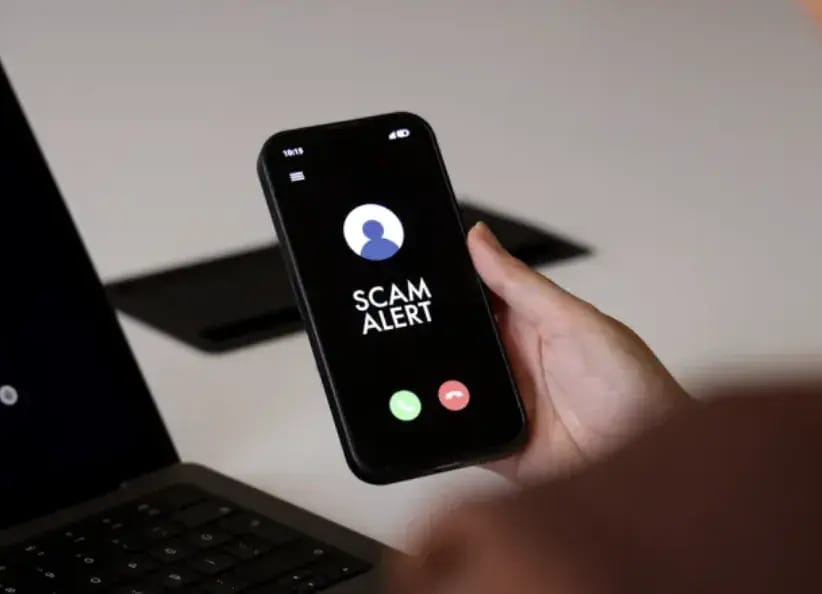
Impersonation calls and voicemails: Scammers may leave a voicemail claiming to be from a government agency and instruct the recipient to call a number for “urgent” action. In some cases, the caller ID or menu options may appear convincingly official.
-
Threats of legal or financial consequences: The fraudster may allege that the resident has missed a court appearance, owes fines, or faces arrest unless they pay a purported debt — often requesting payment via gift cards, cryptocurrency, or money transfer services.
-
Spoofed identities: Calls, texts or online communications may be deceptively branded with logos or names of trusted institutions such as financial firms, utilities, law enforcement or tax agencies.
Officials stress that legitimate government agencies do not initiate unsolicited contact demanding payment or personal information over the phone or by text message.
What Residents Should Do
Local authorities recommend the following steps for anyone who receives suspicious communication:
-
Do not provide personal, financial or account information in response to unsolicited calls, texts, or emails.
-
Do not follow directions on voicemail prompts that pressure you to respond immediately. Instead, look up the official phone number of the agency and call directly to verify.
-
If you are approached at your home by someone claiming to represent a government office, ask for proper identification and verify their credentials with the agency before engaging further.
-
Report any scam attempts immediately to the Collier County Sheriff’s Office or the appropriate enforcement agency so patterns can be tracked and more residents can be warned.
Collier’s “Call Before You Pay” hotline — staffed by deputies in the Financial Crimes Bureau — is available as a resource for residents who have questions or want to verify the legitimacy of any suspicious contact.
Why This Matters Locally
Government impersonation scams are part of a broader nationwide trend in fraud schemes that exploit fear, urgency or confusion to extract money or information from victims. Scammers often target older adults or those unfamiliar with digital and phone-based fraud tactics, making awareness and community education crucial parts of prevention.
Even when scammers spoof numbers or use convincing scripts, local officials emphasize that legitimate agencies will never request payments or sensitive data through unsolicited phone calls, texts or emails.
By spreading awareness and encouraging residents to report incidents quickly, Collier County authorities hope to reduce the number of successful scams and protect local households from financial loss or identity theft.