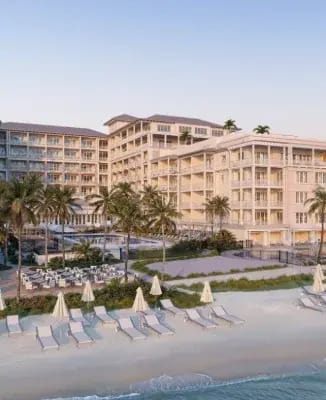
Southwest Florida’s tourism landscape is undergoing a noticeable transformation as new hotels and luxury resorts open their doors up and down the Gulf Coast. Naples, Fort Myers, Sanibel, and neighboring beach communities are welcoming visitors with expanded accommodations just as the busy winter season revs up.
This year’s lineup of new properties includes high-end offerings and upscale branded stays that underscore the region’s appeal to both domestic and international travelers. With demand traditionally peaking from late fall through spring, tourism leaders are betting that the influx of rooms will match — or exceed — guest interest.
Big Openings and Industry Confidence
Among the most talked-about additions is the Four Seasons Resort Naples Beach Club, which opened its first phase in November and is slated to enter full operation by January. The property alone adds 220 rooms and suites to the local offering and signals confidence among luxury brands in the Naples market’s long-term viability.
Beyond the Four Seasons, boutique hotels and renovated legacy properties are contributing to a more diverse hospitality inventory. These include new builds in Naples’ historic districts and expanded offerings around Fort Myers and Sanibel, where beachfront access and outdoor recreation continue to draw visitors year-round.
Post-Ian Recovery Still Shapes Growth
Both Collier and Lee counties’ tourism economies are still influenced by the long tail of Hurricane Ian recovery, which disrupted the region’s hospitality landscape in 2022. Lee County, in particular, has been rebuilding its hotel base, with new properties reopening and adding inventory as travelers return.
While shelters and infrastructure improvements were the initial focus after the storm, investment in visitor accommodations has become a priority, reflecting a belief that tourism — Southwest Florida’s economic backbone — will continue to rebound and expand.
Room for All? Market Balance Concerns
Despite the momentum, some industry analysts and local observers are asking whether the pace of growth might exceed actual demand. With hundreds — if not thousands — of new rooms entering the market across cities and islands, experts caution that occupancy rates will need to stay strong to avoid downward pressure on nightly rates.
Collier County leaders have even boosted tourism marketing spending in recent years to help promote the region and attract visitors — a sign that competition for travelers’ attention and dollars remains a priority.
What This Means for Local Travelers and Investors
For vacationers, the proliferation of hotel choices means more flexibility in price points, amenities and location options — from luxury beachfront stays to boutique experiences in historic downtown Naples.
For local businesses and investors, the wave of new accommodations brings opportunity and risk. Restaurants, attractions and service providers benefit from increased foot traffic, but sustained success will hinge on maintaining strong seasonal demand and broadening offseason appeal.
Looking Ahead: Growth With Caution
Experts expect the hospitality boom to continue into 2026, but with greater emphasis on strategic positioning rather than just expanding room counts. Properties that offer distinct experiences — spa retreats, culinary-focused stays, and sustainable design — may be better positioned to thrive as competition increases.
In a region where sun, sand and culture have long defined appeal, the next chapter for Southwest Florida’s tourism story may rest on how well it balances growth with demand — and whether the market can fill all those beds without losing its charm.