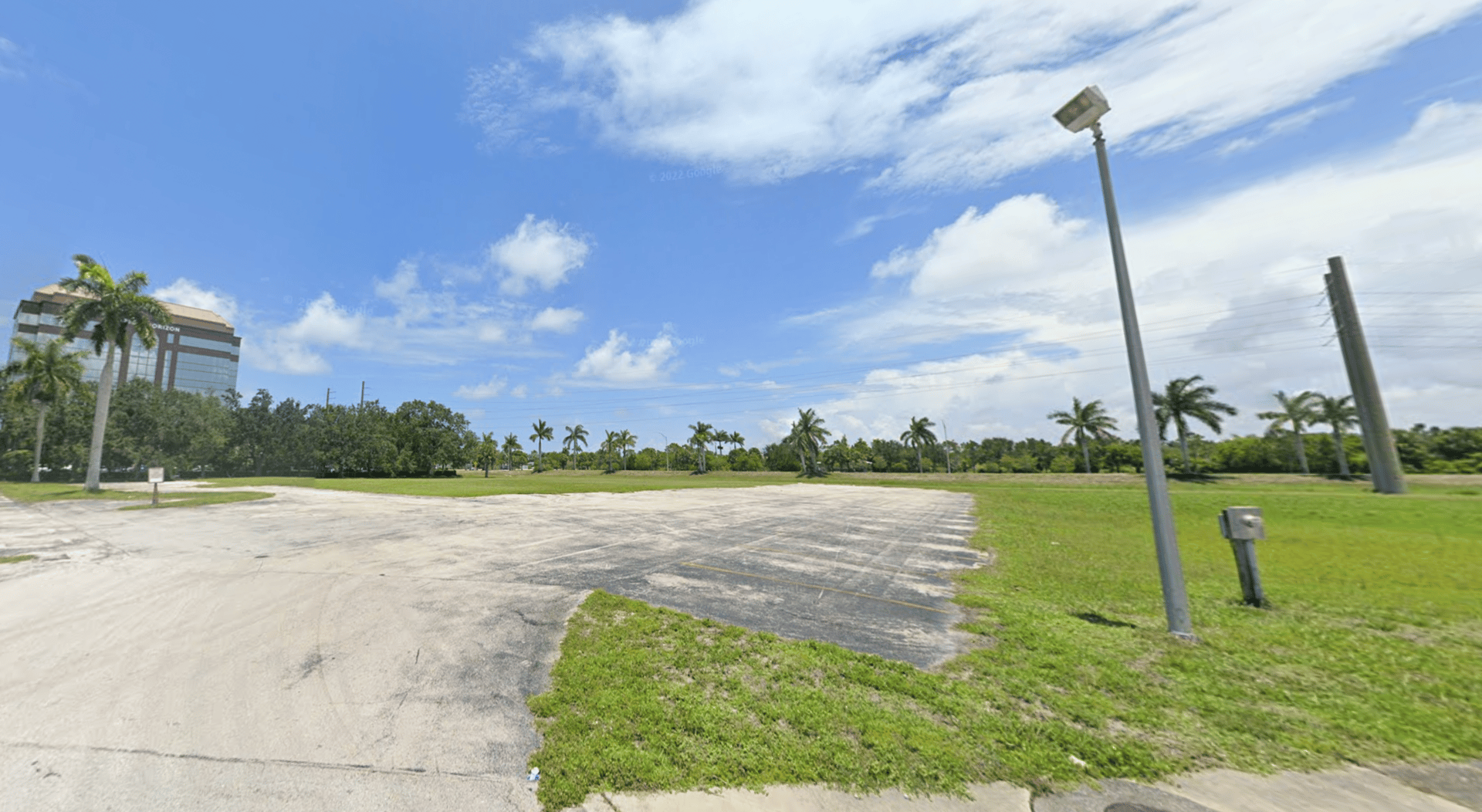
A proposed affordable housing development in north Collier County has stirred concern among nearby residents, illuminating tensions between workforce-housing needs and neighborhood impact. The plan—located in a high-amenity area of North Naples—has drawn intense scrutiny over density, infrastructure strain and community fit.
Project Snapshot
The development seeks to bring a multifamily rental complex with a portion of units designated for affordable or workforce renters. While it addresses the urgent local housing shortage, it is proposed in an upscale neighborhood where residents believe the scale and proposed unit count exceed what the context can support. The site is positioned in a corridor already facing pressure from new high-density projects and changing land-use patterns.
Community Concerns
-
Traffic & infrastructure: Residents say the area’s roads, drainage and utilities weren’t designed for high-density rental traffic. They point to peak-hour congestion, storm-water sensitivity and limited transit options.
-
Scale & character: There is worry that the size of the project and the split between market vs. workforce/affordable units could shift the neighborhood’s character—especially if support amenities lag.
-
Location fit: Some contend that workforce housing should be more distributed or co-located with mass transit and employment hubs, rather than placed in an area built for single-family homes and low-rise rentals.
-
Precedent/recall: Several locals reference other recent approvals in the county and believe this may set a precedent for increased density beyond what they expected when moving to the area.
Housing-Market Implications
-
From a real-estate perspective: Developers and agents will want to watch how pushback impacts cost, approvals and timelines. If delays mount or conditions tighten, this could raise development cost per unit and get passed onto rents or subsidies.
-
Starting discussions: It underscores a growing phenomenon — workforce housing is increasingly being sited in higher-end districts, which may prompt shifts in how neighborhoods and local business stakeholders position themselves.
-
For the housing-crisis narrative: Even in high-income counties like Collier, demand for affordable/workforce housing remains acute. But where and how you build it matters almost as much as that you build it.
Next Steps & Watch-Points
-
The project will likely go through zoning/land-use amendment hearings, site-plan review and public-comment processes.
-
Conditions may be attached: reduced unit count, increased infrastructure contributions, or enhancements (traffic mitigation, onsite amenities, Green-building features) to win community support.
-
Stakeholders (HOAs, business associations, real-estate professionals) will monitor how county commissioners or planning boards respond; the outcome may influence future housing-project strategy in the region.